

Why a Diabetic Eye Exam Is Essential for Protecting Your Vision
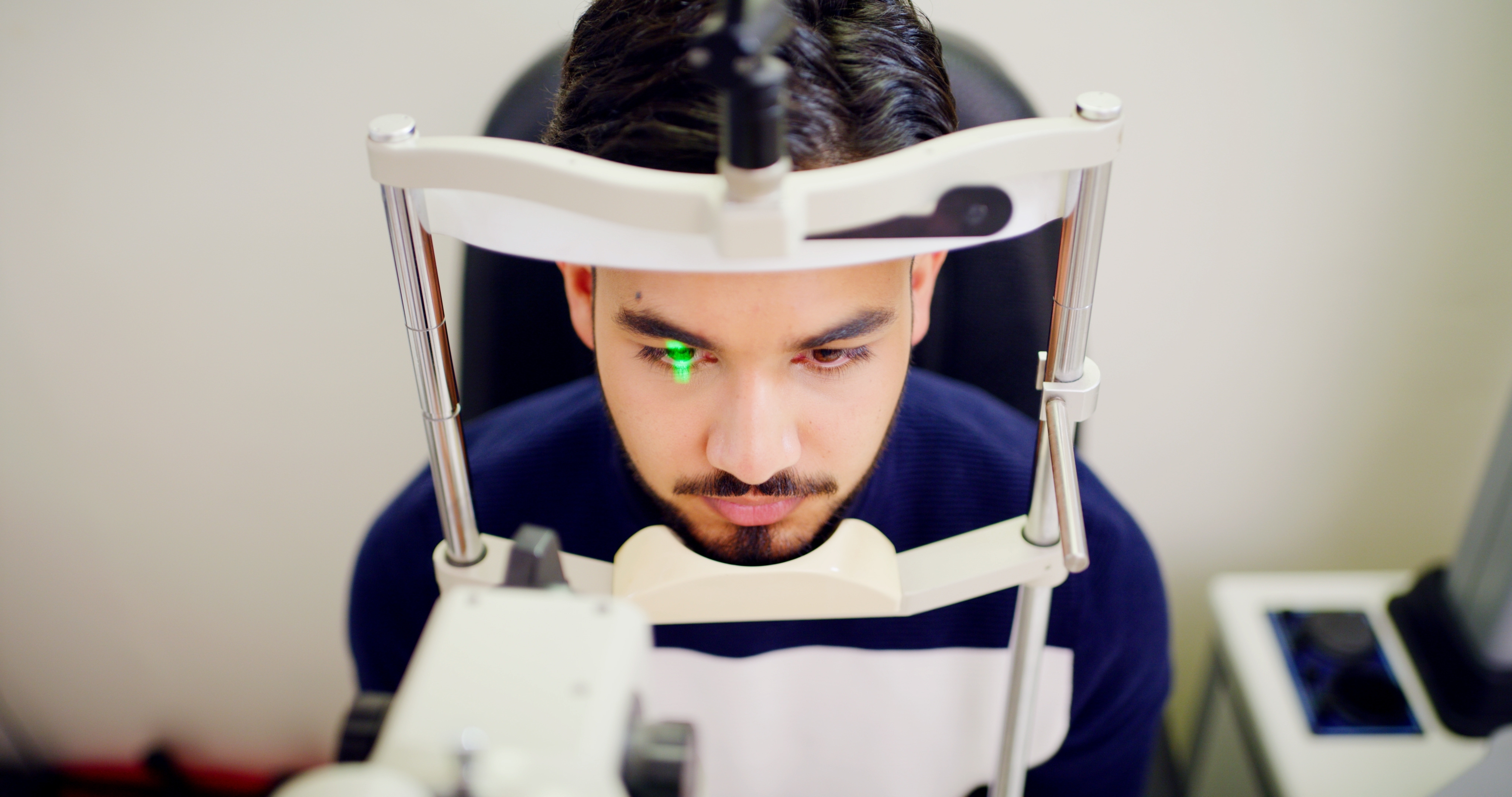
Diabetes can affect many parts of the body, including the eyes. Even when your vision seems clear, changes may be occurring inside the eye without noticeable symptoms. At Capital Eye Care, we provide diabetic eye exams to help our patients monitor their eye health and identify potential problems as early as possible.
How Diabetes Can Affect Your Eyes
Elevated blood sugar levels can damage the small blood vessels throughout the body, including those that supply the retina. Over time, this damage may lead to diabetic retinopathy, a condition that can cause vision loss if it progresses.
Diabetes can also increase the risk of other eye conditions, including cataracts and glaucoma. Because some diabetes-related eye problems can develop before you notice changes in your vision, routine eye care is an important part of protecting your sight.
What We Look For During a Diabetic Eye Exam
A diabetic eye exam allows us to closely evaluate the health of your eyes, especially the retina and blood vessels at the back of the eye. Depending on your individual needs, your examination may include dilation or other diagnostic testing to give us a detailed view of your eye health.
During your visit, we may look for signs such as:
• Changes or damage to retinal blood vessels
• Swelling in or around the retina
• Bleeding or abnormal blood vessel growth
• Changes that may indicate glaucoma or cataracts
• Other abnormalities that could affect your vision
Detecting these changes early gives us the opportunity to recommend appropriate monitoring, coordinate care with other healthcare providers when necessary, and help reduce the risk of more serious vision complications.
Do Not Wait For Vision Changes
One of the most important reasons to schedule regular diabetic eye exams is that diabetic eye disease may not cause obvious symptoms during its early stages. You could have clear vision and still have changes developing within the retina.
As the condition progresses, symptoms may include blurry or fluctuating vision, dark spots, floaters, difficulty seeing at night, or areas of missing vision. Any sudden or significant change in eyesight should be evaluated promptly.
Make Eye Care Part of Diabetes Management
Managing blood sugar, blood pressure, and cholesterol can support both your overall health and your eye health. Regular diabetic eye exams provide another important layer of protection by allowing us to monitor your eyes over time.
The appropriate examination schedule can vary based on your type of diabetes, current eye health, pregnancy status, blood sugar control, and whether diabetic eye changes have already been detected. We can recommend a follow-up schedule based on your individual needs.
Schedule your diabetic eye exam with Capital Eye Care to stay proactive about protecting your vision. Visit our office in Little Rock, AR, or call (501) 512-0190 to book an appointment today.


MAP
Powered by: 